Amethyst Crystal Meaning, Properties & Where to Buy
Amethyst is a violet variety of quartz, coloured by iron and natural irradiation deep in the earth. Its name comes from the ancient Greek word for 'not intoxicated', reflecting a long tradition of wearing amethyst as a protective talisman against excess and overwhelm. The stone ranges from pale lilac to deep royal purple, and each shade carries its own quiet intensity.
What Amethyst means
Amethyst is one of the most widely used crystals in spiritual practice, and for good reason. It is associated with the crown and third-eye chakras, making it a go-to stone for those seeking clarity, intuition, and inner stillness. People reach for amethyst when their thoughts feel scattered, their sleep is restless, or they need to settle into a deeper kind of knowing. It is not a dramatic stone. It does not push. It invites you to slow down and listen to what is already there.
How to use Amethyst
Place a small amethyst cluster on your bedside table to soften anxious thoughts before sleep. Hold a tumbled piece during meditation, focusing on the breath and letting the stone anchor you when the mind wanders. Many people keep amethyst at their desk or work space to encourage calm decision-making through the day. You can also place it at the centre of an altar as a focal point for any ritual that calls for clarity or spiritual connection. To cleanse your amethyst, leave it in moonlight overnight or pass it through sage or palo santo smoke. Avoid leaving it in direct sunlight for long periods, as the colour may fade.
What Amethyst pairs well with
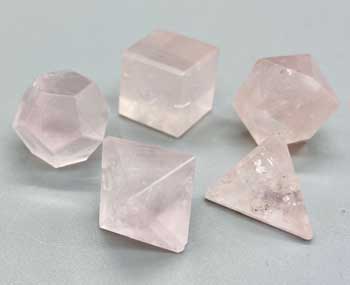
Clear quartz amplifies amethyst's intuitive qualities and makes a natural pairing for meditation or altar work. Rose quartz alongside amethyst creates a gentle space for emotional healing. Selenite is another companion to consider: together they encourage a sense of peaceful clarity that feels grounded rather than airy.
Pieces to work with
Keep reading
Bring amethyst into your practice.
Shop crystals & stones