Protection Altar Setup: A Simple, Grounded Space at Home
A protection altar is a visible reminder of your boundaries and the conditions that help you feel settled at home. It does not need to be dramatic or expensive. A clean surface, one or two objects, and a short practice can be enough. Protection should support ordinary safety and care, not replace locks, support people, or practical action.
What you need
- A small shelf, tray, or corner
- One grounding or protective crystal
- A candle or meaningful object
- A small bowl, cloth, or plant if desired
When to do it
Set up the altar when moving into a space, after a difficult period, or whenever you want a visible reset. Revisit it weekly and remove anything that has become clutter rather than support.
Choose a stable location
Pick a place that is visible but not in the way of children, pets, or daily movement. Keep candles away from anything flammable and never leave a flame unattended.
Name what protection means
Write a short statement such as 'This is a place for rest, privacy, and clear boundaries'. The statement keeps the altar connected to a real quality of life rather than vague fear.
Add a grounding object
Black tourmaline, hematite, obsidian, or a simple stone can represent steadiness. Place it where you will see it. If the stone is water-sensitive, use dry cleansing methods rather than placing it in a bowl of water.
Create a short closing practice
When you pass the altar, take one slow breath and check whether you need to close a door, end a conversation, ask for help, or rest. Let the ritual point toward an action that protects your wellbeing.
Keep the boundary practical
If you are dealing with a real threat, seek appropriate support and use practical safety measures. An altar can be comforting, but it cannot replace emergency help, a safety plan, or professional advice.
Pieces to work with
Keep reading
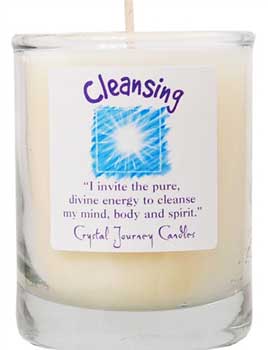
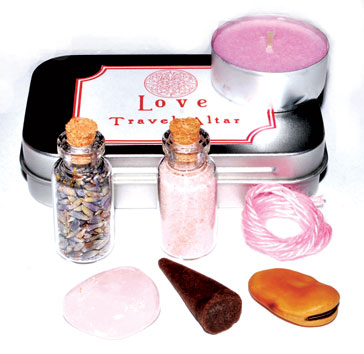
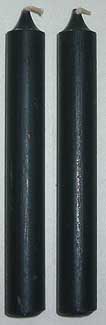
Browse grounding stones, candles, and altar pieces for a small protection corner of your own.
Shop ritual tools