How to Set Up a Ritual Altar: A Beginner's Full Guide
An altar is simply a dedicated space for intentional practice. It does not need to be grand, permanent, or elaborate. A corner of a shelf, a windowsill, or a small tray on a bedside table can all function as altars. What makes a space an altar is not what is on it but the intention you bring to it: the decision that this surface is set apart for practice, for connection, for the slow work of attention that all spiritual life requires.
What you need
- A flat surface: a shelf, windowsill, tray, or corner of a table
- A cloth or mat to define the space (optional)
- A candle
- One or more crystals
- Optional: a small dish for salt or water, a plant or flower, a meaningful object or image, incense or palo santo
When to do it
There is no required time to set up an altar. Many people begin at a new moon, using the intention-setting energy of the lunar cycle to anchor their altar's purpose. Others simply begin whenever the impulse arrives.
Choose your surface
Find a surface that you can access daily and that you can leave undisturbed. Eye level or slightly below is traditional, though this is not a rule. The altar should feel private and personal, not displayed for guests.
Cleanse the space
Before placing anything on your altar, cleanse the surface with smoke, a light wipe with salted water (not on wooden surfaces), or simply by placing your hands on it and breathing in a clearing intention. You are preparing a clean slate.
Define the space with a cloth (optional)
Many practitioners use a cloth to mark the altar as distinct from the surrounding surface. Any cloth works. Black, white, and natural linen are common choices, but the right cloth is one that feels right to you.
Place your anchor object
Begin with one central object that represents the core intention of your practice: a crystal, a candle, or an image of something sacred to you. Everything else is arranged around this centre.
Add crystals with intention
Choose crystals that support your current intention or the general purpose of your practice. There is no correct number. Two or three chosen thoughtfully are more powerful than twenty chosen carelessly. Place them where they feel right.
Add other elements with meaning
Consider including: a small dish of water (for emotional intuition), a candle (for light and intention), a plant (for life force), an object that represents something you are working toward, or a written intention folded beneath the arrangement.
Tend it regularly
An altar is a living practice, not a decoration. Touch the objects regularly, freshen the water, replace wilted flowers, cleanse the crystals at the new or full moon, and update the intention when it has been fulfilled or outlived. An altar that is tended grows in power. One that is ignored becomes furniture.
Pieces to work with
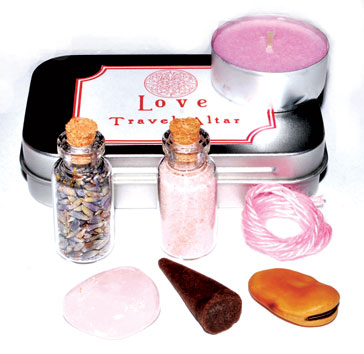
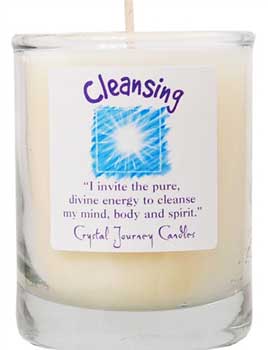

Keep reading
Shop crystals, candle holders, ritual tools, and altar pieces at The Quiet Moon.
Shop ritual tools